RSS

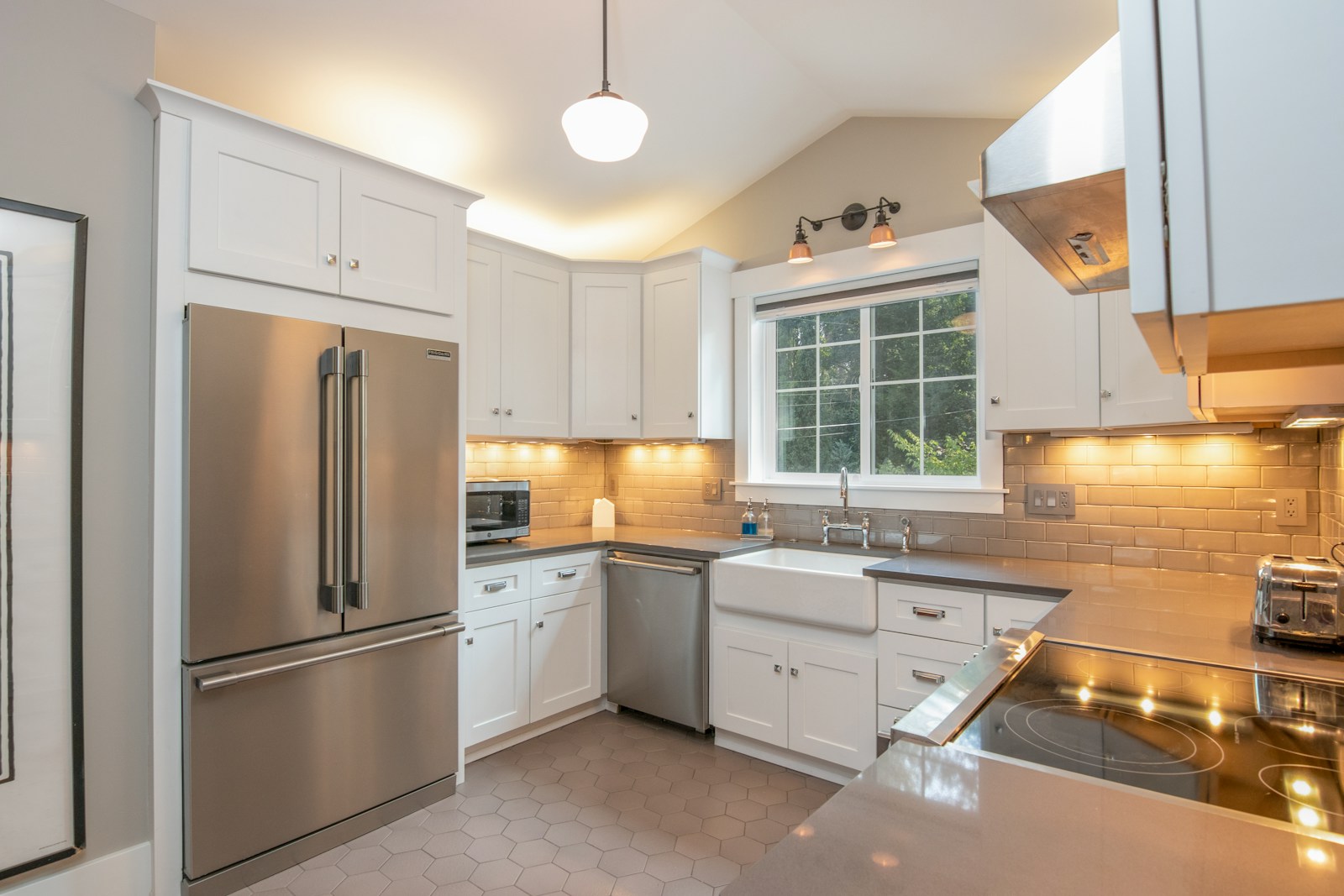
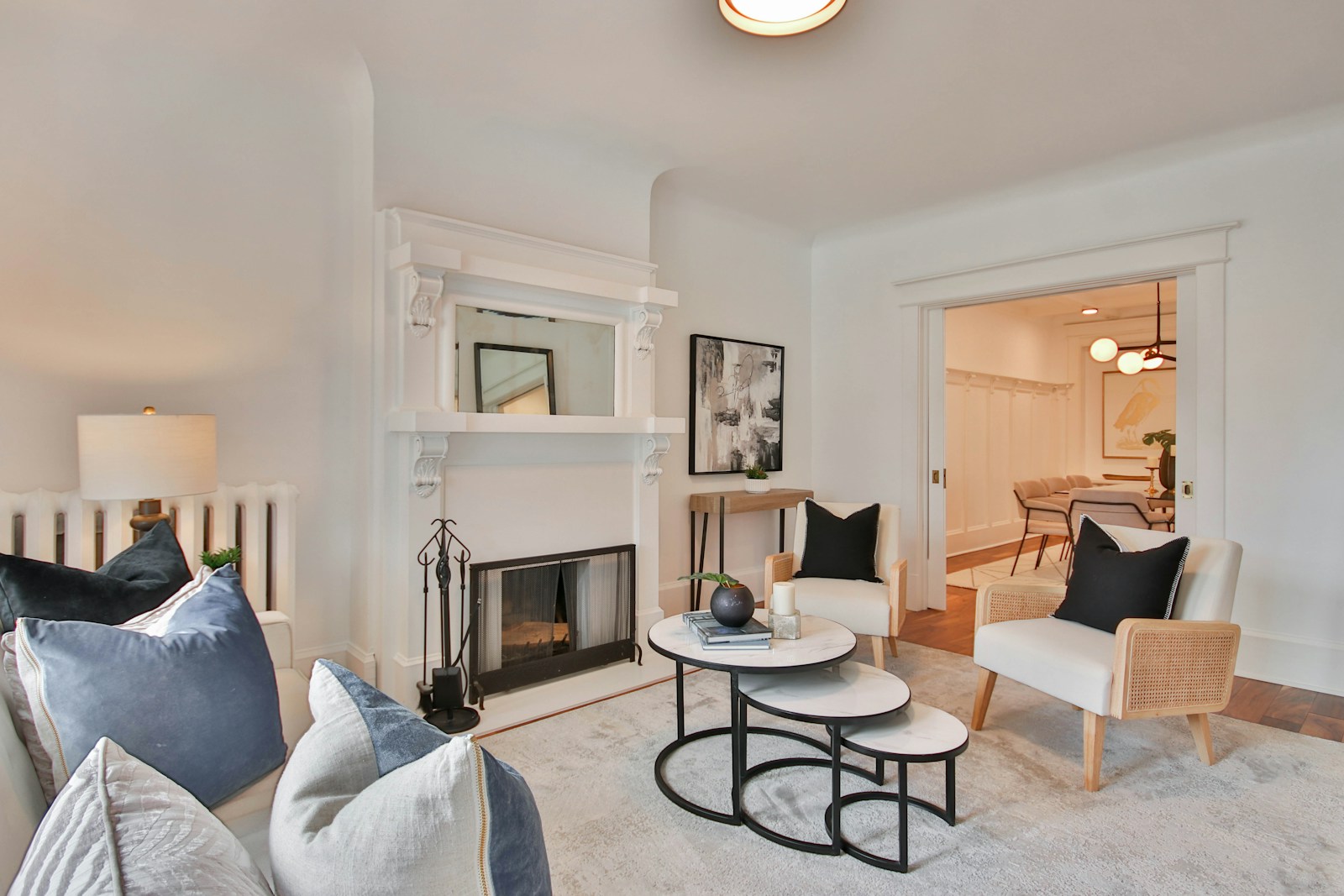
Staging Tips to Sell Your Kingston Home Quickly (And For More Money)

If you're thinking about selling your home in Kingston, one of the biggest questions is: What can I do to sell faster—and for the best possible price?

After years of working with sellers across Kingston and the surrounding areas, I can confidently say this:

Staging is one of the most powerful tools you have.

Not just to make your home look good—but to generate more showings, more interest, and ultimately, a stronger sale price.


Why Staging Matters More Than You Think

Buyers don’t just shop for a home—they shop for a feeling.

They’re drawn to spaces that feel:

  • Bright

  • Neutral

  • Clean

  • Elegant

When a home is staged properly, it doesn’t just photograph well—it creates emotional connection, which drives demand.

And demand is everything.

More showings → more interest → more competition → higher sale price.


My Go-To Strategy: Professional Staging

In my experience, full professional staging consistently delivers the best results.

I’ve worked with Susan Poffley of Design Style Kingston for 6–7 years, and every home she has staged has:

  • Sold successfully

  • Generated strong buyer interest

  • Received incredible feedback at open houses

She has an exceptional eye for design and a wide inventory of furniture to suit any style of home. I’ve watched her take vacant properties and completely transform them into warm, inviting spaces that buyers fall in love with.


Real Results: How Staging Drives Immediate Interest

One strategy I use is creating “Coming Soon” marketing with sneak peeks of professionally staged photos.

The result?

Homes that generate buzz before they even hit the market—and in some cases, sell immediately after going live.

When buyers see a home that looks polished, move-in ready, and thoughtfully designed, they act quickly.


The Biggest Staging Mistakes Sellers Make

This is where many sellers unknowingly hurt their sale.

The most common issue? Overthinking it.

I often see homes with:

  • Too many trinkets

  • Excess furniture

  • Lower-quality décor

  • Overly personalized spaces

This creates visual clutter and distracts from the home itself.

Simple always wins.

You want:

  • Clean lines

  • High-quality pieces

  • Minimal distractions

  • A cohesive, elevated look

Remember: you’re not decorating—you’re marketing.


DIY Staging Tips That Actually Work

If full staging isn’t an option, there are still key things I insist on before listing any home:

1. De-personalize completely

Buyers need to picture their life in the space—not yours. Remove:

  • Family photos

  • Personal collections

  • Bold or niche décor


2. Declutter aggressively

A great rule of thumb:

Surfaces should be no more than 2/3 full.

That includes:

  • Kitchen counters

  • Shelving

  • Bathroom vanities

Less truly is more.


3. Simplify your furniture

Only keep pieces that:

  • Define the space

  • Show functionality

  • Improve flow

Too much furniture makes rooms feel smaller.


4. Freshen up with paint

A simple coat of soft off-white paint can:

  • Brighten the space

  • Make rooms feel larger

  • Appeal to more buyers

Neutral always sells.


5. Think “model home”

Your goal is to create a space that feels:

  • Clean

  • Calm

  • Move-in ready

A blank slate buyers can emotionally step into.


Is Staging Worth the Cost?

This is one of the most common concerns I hear.

Spending $5,000 on staging can feel like a lot—but it’s important to reframe it:

It’s not an expense. It’s an investment.

Done right, staging:

  • Increases your home’s perceived value

  • Attracts more buyers

  • Reduces time on market

  • Helps avoid price reductions

And price reductions often cost far more than staging ever would.

To help with this, I offer my sellers $1,500 back at closing toward staging costs—because I genuinely believe in the return on investment.


Final Thoughts

If you want to sell quickly and for top dollar in the Kingston market, staging isn’t optional—it’s strategic.

When combined with:

  • Strong pricing

  • Professional marketing

  • The right presentation

…you create the kind of listing that stands out—and sells.


Thinking about selling your home in Kingston?
I’d be happy to walk you through exactly what your home needs to stand out in today’s market—and connect you with trusted professionals to make it happen.

Read

How to Avoid Common Mistakes When Buying Your First Home (Kingston & Area)

Buying your first home is exciting—but it’s also where I see the most costly mistakes happen.

As a real estate agent working with first-time buyers across Kingston, Sydenham, and surrounding areas, I’ve seen patterns repeat themselves—especially as our market continues to shift.

If you’re thinking about buying your first home, here are the most common mistakes to avoid—and how to make smarter, more confident decisions.


1. Removing Conditions in a Multiple Offer Situation

When competition heats up, it’s easy to feel pressure to “do whatever it takes” to win.

One of the biggest mistakes I see is buyers removing important conditions—like financing or inspection—just to compete.

This can backfire quickly.

Without those protections, you could:

  • Be locked into a purchase without confirmed financing

  • Miss major issues with the home

  • Take on unexpected costs immediately after closing

There are strategic ways to compete in multiple offers without putting yourself at serious risk—and that’s where having the right guidance matters.


2. Overpaying Based on Emotion (Not Market Value)

It’s easy to fall in love with a home—but that’s where mistakes happen.

I recently worked with buyers looking at a bungalow in the Sydenham area that went into multiple offers. They were prepared to offer significantly over asking—but before submitting, I pulled comparable sales.

We found nearly identical homes had sold for $25,000 under the listing price.

I explained that even if they “won,” the appraisal might come in lower—meaning they could be responsible for covering the difference out of pocket.

We adjusted their strategy to stay within a realistic value range. They didn’t win—but they also didn’t overpay or put themselves in a risky financial position.

Sometimes the best deal is the one you walk away from.


3. House Hunting Without a Full Pre-Approval

This one happens all the time.

Many first-time buyers start looking at homes assuming financing will “come together later.” In reality, that approach can cost you the home—or create unnecessary stress.

A proper pre-approval means:

  • Your rate is locked in (often up to 120 days)

  • Your documents are already reviewed

  • You know exactly what you can afford

In most cases, you’ll only have about 7 business days to finalize financing after an offer is accepted.

That’s not the time to start gathering paperwork.

Getting fully pre-approved upfront puts you in a stronger, more competitive position—and avoids last-minute surprises.


4. Letting Emotions Drive the Decision

Buying your first home is emotional. That’s normal.

But one of the biggest mistakes I see is buyers getting too attached too quickly.

In real estate, things can change fast:

  • Inspections can reveal unexpected issues

  • Financing can fall through

  • Bidding wars can escalate quickly

  • Sellers can apply pressure

The key is staying level-headed.

I always remind my clients: what’s meant to be will be. There will always be another opportunity—but making a rushed or emotional decision can have long-term consequences.


5. Waiting Too Long and Trying to “Time the Market”

With the market shifting, I’ve seen many buyers hesitate—waiting for the “perfect time” to jump in.

The reality?

By the time activity picks up, you’re suddenly competing again.

This spring, we’ve seen buyers all re-enter the market at once—often going after the same homes and creating competition again.

Instead of trying to time the market, focus on:

  • Finding the right home for your needs

  • Buying when you’re financially ready

  • Taking advantage of quieter periods when possible

Some of the best opportunities happen in the off-season, when you have more time to do your due diligence and less pressure from other buyers.


6. Not Understanding Rural Property Risks (Kingston & Area)

If you’re looking outside the city—places like Sydenham or other rural areas—there are additional risks many buyers don’t fully understand.

This is where local expertise really matters.

Some common oversights include:

Septic systems
A visual inspection is not enough. You need a full septic inspection to understand how the system is functioning.

Wells
Buyers should always complete:

  • A well flow test (gallons per minute)

  • A bacteriological water test (checking for E. coli and coliforms)

Insurance issues
Properties sold “as-is, where is,” old oil tanks (including buried ones), and outdated wiring can all impact your ability to get insurance.

Property details
Things like setbacks, boundaries, and older infrastructure can create complications if not properly reviewed.

These aren’t deal-breakers—but they do require the right conditions and due diligence.


Final Thoughts: Work With the Right Guidance

Buying your first home doesn’t have to be overwhelming—but it does require the right strategy.

Most of the mistakes above come down to:

  • Moving too fast

  • Not having the right information

  • Or not having the right support

My goal is always to help my clients make confident, informed decisions—so they don’t just buy a home, but make a smart investment.

If you’re thinking about buying your first home in Kingston or the surrounding area, I’d be happy to walk you through the process and help you avoid these common pitfalls.

Read

How can I find the right Real Estate Agent?

Choosing the right real estate agent is one of the most important decisions you'll make when buying or selling a home. The right agent can make the process smooth, strategic, and even enjoyable. The wrong one can leave you feeling stressed, uninformed, and disappointed with the outcome.

As a real estate agent working in Kingston and the surrounding area, I’m often asked how someone should choose the right agent. Here are a few things I recommend looking for when making that decision.


Interview Your Agent First

One of the biggest mistakes I see people make is choosing an agent without ever really talking to them first.

Buying or selling a home is a big financial and emotional decision, and you want to feel comfortable with the person guiding you through it. Take the time to interview your agent, ask questions, and get a sense of how they work.

This is something I believe strongly in from both sides. I want potential clients to make sure I’m the right fit for them, and I also want to make sure I’m the right person to help them reach their goals.


Look for the Right Personal Qualities

Experience is important, but personality and work ethic matter just as much.

In my opinion, a great real estate agent should be:

  • Personable

  • Responsive

  • Trustworthy

  • Focused on their clients’ needs first

Real estate isn’t just about transactions. It’s about helping people through major life decisions, and your agent should always be working in your best interest.


Ask the Right Questions

If you’re interviewing agents, there are a few key questions that can give you valuable insight into how they work.

For example:

  • How long have you been doing this?

  • What type of marketing do you offer?

  • Are you part of a team or do you work individually?

These questions can tell you a lot about the level of experience, how your home will be marketed, and how much direct attention you’ll receive.


Pay Attention to Their Marketing Strategy

Marketing is one of the most important parts of selling a home. The more exposure a property gets, the better the chances of attracting strong buyers.

Today’s sellers should expect a full marketing package, which may include:

  • Professional photography

  • Video walkthroughs

  • Virtual tours

  • Floor plans

  • Drone footage for country or waterfront properties

  • Extensive social media promotion

In today’s market, social media marketing is especially important. It allows homes to reach a much larger audience and often generates interest even before a property officially hits the market.


Communication Matters — Especially for Buyers

For buyers, fast communication can make all the difference.

Homes can sell quickly, and if your agent isn’t responding promptly, you could miss out on an opportunity. Having an agent who is quick to respond and proactive about new listings is incredibly valuable.

Strong professional relationships between agents can also help. When agents know each other as professional and reliable, it can sometimes make negotiations smoother or help ensure your offer is taken seriously.


Local Knowledge Makes a Difference

Working with an agent who understands the local market is extremely important.

An agent with strong neighbourhood knowledge can help you understand:

  • Accurate home values in the area

  • Local schools and amenities

  • Potential concerns within certain areas

  • Future developments that could affect property values

I personally focus a lot of my business in Kingscourt, the neighbourhood where I live, as well as the Kingston market as a whole. Being active in the community helps me stay connected to what’s happening locally and allows me to better guide my clients.


Choose an Agent Who Prioritizes Service

One thing that’s very important to me in my business is not taking on more clients than I can properly serve.

Even if there is a lot of business coming my way, I prefer to keep my client list manageable so I can give each person the attention they deserve. My goal is always to make sure every client has a positive experience.

When people feel supported throughout the process, they naturally tell their family and friends. Many of my clients come from referrals, and that’s something I’m very proud of.


Strategy Can Make a Big Difference

Sometimes the right strategy can make a huge difference when selling a home.

For example, I recently helped a client prepare their home for sale. Before we officially listed the property, I created a “coming soon” post in several real estate groups to generate early interest.

This resulted in two showings before the home even officially hit the market. On the morning of listing day we received an offer, and within two hours of the listing going live, we had an accepted full-price offer. Later that evening, we secured a backup full-price offer as well.

Needless to say, the sellers were ecstatic.


Check Reviews and Trust Your Gut

One of the best ways to learn about a potential agent is by reading their reviews.

Reviews often give you the clearest picture of how someone actually treats their clients and what the experience is like working with them.

And finally, trust your gut. If someone feels like the right fit for you, they probably are.


Thinking About Buying or Selling in Kingston?

If you’re considering buying or selling a home in Kingston or the surrounding area, I’d be happy to help guide you through the process. I specialize in Kingscourt and the Kingston market, and I also work with buyers and sellers within about an hour of the city. Let’s have a chat.

Read

Selling in Kingston

How Long Does It Take to Sell a House in Kingston?

One of the most common questions homeowners ask before listing is:

“How long will it take to sell my house?”

The honest answer is: it depends. The timeline for selling a home in Kingston can vary based on pricing, the property’s condition, the neighbourhood, and overall market activity at the time you list.

Looking at recent data from the Kingston and Area Real Estate Association (KAREA), homes in Kingston typically sell within about 30–45 days on average, depending on the market cycle. For example, the median number of days on market for single-detached homes was about 33 days in late 2025, while some monthly reports showed averages closer to 34–38 days.

That means many well-prepared homes are selling within one to two months, although some properties sell faster and others take longer depending on the circumstances.


Average Time to Sell in Kingston

In relatively balanced market conditions, most homes in Kingston sell within 30 to 60 days when priced appropriately.

Recent local data supports this range:

  • Median days on market for detached homes: about 33 days (late 2025)

  • Average days on market in some 2025 monthly reports: 34–38 days

However, timelines can vary significantly based on several factors:

Property type
Detached homes, townhomes, and condos often move at different speeds depending on buyer demand.

Price range
Homes priced within the most active ranges in Kingston’s market tend to sell faster than luxury properties or highly specialized homes.

Location within Kingston
Neighbourhood demand varies. Areas close to downtown, Queen’s University, and the west end often see steady buyer activity, while smaller niche markets may move at a different pace.

Seasonality
Spring and early fall tend to be the most active seasons for real estate in Kingston, while winter can be quieter.


What Impacts Days on Market?

Even in the same neighbourhood, two homes can have very different selling timelines. A few key factors usually make the biggest difference.

Pricing Strategy

Pricing is one of the most important factors in how quickly a home sells.

Homes that are priced at or slightly below current market value often attract stronger interest early on. When buyers see value compared to recent comparable sales, they’re more likely to book showings and submit offers.

On the other hand, homes that are priced too high may sit on the market longer and eventually require price adjustments.

Presentation

First impressions matter more than ever.

Listings with professional photography, thoughtful staging, and strong curb appeal typically generate more online clicks and showing requests. In a market where buyers may have multiple options, presentation can be a major advantage.

Market Conditions

The broader market also plays a role.

When inventory levels are higher — meaning more homes are available for sale — buyers have more choices and homes may take longer to sell. Kingston’s housing supply in recent years has hovered around 4–6 months of inventory, which is generally considered a balanced market. Check out the recent market statistics to see what’s going on in our local market.

In lower-inventory markets, well-priced homes can sell much faster.


Can Homes Sell Faster?

Absolutely.

While average timelines provide a guideline, some Kingston homes sell within days of hitting the market, especially when several factors align:

  • The home is priced strategically using recent comparable sales

  • Marketing reaches the right pool of buyers

  • The property is clean, well-presented, and move-in ready

In competitive segments of the market — particularly for well-maintained homes in desirable neighbourhoods — it’s not uncommon to see multiple showings within the first few days.


What If My Home Doesn’t Sell Quickly?

If a property remains on the market longer than average in Kingston, there is usually a clear reason.

Common factors include:

Overpricing
Buyers compare every listing with recent sales. If the price is noticeably higher than comparable homes, they may simply skip the listing.

Limited exposure
Strong marketing — including MLS® exposure, online visibility, and professional presentation — helps ensure buyers actually see the property.

Condition or repairs
Homes that need updates or maintenance can take longer to sell if buyers perceive extra work or cost.

The good news is that in most cases, adjusting the pricing strategy, presentation, or marketing approach can help reposition the property and attract new interest.


Frequently Asked Questions

What is the fastest a home can sell in Kingston?

In competitive market conditions, some homes receive offers within a few days of listing, particularly if they are priced well and in high-demand neighbourhoods.

Does the time of year affect how quickly homes sell?

Yes. In Kingston, spring and early fall typically see the most buyer activity, which can shorten selling timelines.

Should I accept the first offer I receive?

Not necessarily — but it depends on the strength of the offer, the conditions included, and current market activity. Sometimes the first offer can be the strongest, especially if it comes quickly and close to asking price.


If you’re considering selling, please request a free home evaluation to understand what your property might be worth and how long it could realistically take to sell in today’s market.

Read

How Much Is My Kingston Home Worth in 2026?

If you're wondering how much your Kingston home is worth in 2026, you're not alone. Many homeowners across Kingston — from Calvin Park to Kingscourt and the West End — are watching the market closely and asking the same question.

The truth? Your home's value depends on far more than just average market headlines.

Let’s break it down.


What Determines Your Home’s Value in Kingston?

1. Location Within Kingston

Neighbourhoods like Portsmouth Village, Downtown Kingston, and Auden Park each attract different buyer profiles. Even within the same postal code, value can vary street by street.

2. Recent Comparable Sales

Buyers and lenders rely heavily on recent comparable sales (known as “comps”). These are similar homes in your area that have sold in the past 30–90 days.

3. Condition & Updates

Homes that are well-maintained and move-in ready typically command stronger offers. Updated kitchens, bathrooms, and curb appeal can significantly impact value.

4. Market Conditions in 2026

Interest rates, buyer demand, inventory levels, and seasonal timing all influence Kingston home values.


Average Home Values in Kingston (2026 Snapshot)

While prices fluctuate throughout the year, Kingston remains one of Eastern Ontario’s most stable real estate markets due to:

  • Queen’s University

  • St. Lawrence College

  • Military base presence

  • Strong local employment

  • Lifestyle and waterfront appeal

However, your specific home’s value may be above or below the city average depending on location and condition.


Online Estimates vs. Professional Evaluation

Online home value calculators can give a rough range — but they don’t:

  • Walk through your home

  • Account for upgrades

  • Adjust for unique features

  • Analyze micro-neighbourhood trends

For an accurate price strategy, you need a localized evaluation.

👉 If you're curious about your specific number, you can request a Free Kingston Home Evaluation here

You can also learn more about the selling process on our Sell Your Home in Kingston page


When Should You Get a Home Evaluation?

  • If you’re thinking of selling in the next 6–12 months

  • If you’re refinancing

  • If you’re considering renovations

  • If you’re just curious about your equity

There’s no obligation — just information.


FAQs

Q: How accurate are online home value tools?
A: They provide broad estimates but don’t account for condition, upgrades, or neighbourhood nuances in Kingston.

Q: Will renovating increase my home’s value?
A: Some improvements offer strong return on investment. Others may not. A professional evaluation can guide you but first, you can read some more about which renovations are the best to consider

Q: How often should I check my home’s value?
A: Once per year is reasonable — or sooner if market conditions shift.


Thinking About Selling in 2026?

If you're considering selling in Kingston this year, pricing correctly from day one is critical.

👉 Start with a Free Kingston Home Evaluation

Read

Why Some Listings Feel “Off” Online and How Real Estate Listing Photos Influence Buyer Decisions

Buyers move on from listings the same way they abandon online carts. Something didn’t feel clear enough to commit to.

I see this every day running She Shoots Inc., which is why we shoot with purpose. Buyers move through dozens of listings in one sitting, opening each one briefly before deciding whether it deserves their attention. Those decisions are made visually. In most cases, it comes down to how clearly the real estate listing photos communicate the space. If something feels unclear, repetitive, or unfinished, they move on without a second thought.

In this post, I’m breaking down why some listings feel off online, how visual confusion and repetition create hesitation, and why real estate media matters long before a buyer decides to book a showing or quietly move on.

The Visuals Don’t Match the Price Point

Right now, buyers are more cautious and more selective than they used to be. They’re comparing listings side by side and making quick judgements based on visual cues. One of the strongest signals they respond to is whether the presentation feels aligned with the price.

When visuals feel underwhelming for the value being asked, trust drops almost instantly. Buyers may not be able to explain it, but the listing feels off, and they move on before reading further. In a market where attention is limited and hesitation is high, these quiet visual mismatches carry more weight than many sellers realise.

The Listing Creates More Questions Than Answers

Buyers aren’t scrolling to investigate. They’re scrolling with one finger and very little patience.

When a listing creates more questions than answers, it introduces mental friction. Buyers start wondering things like how the rooms connect, where the natural light actually comes from, whether a space is smaller than it looks, or what isn’t being shown. Each unanswered question slows confidence.

Most buyers won’t stop to solve that uncertainty. They’ll move on to the next listing that feels easier to understand, which is why how buyers make decisions during the search process matters so much.

Listings don’t lose attention because buyers aren’t interested. They lose attention because the visuals make the decision feel harder than it needs to be.

Why Real Estate Listing Photos Need Strategy, Not Just Coverage

From a media perspective, this usually isn’t about effort. It’s about strategy.

Good real estate photography isn’t just about capturing a room. It’s about guiding how the space is understood. Wide shots establish context. Tighter shots isolate details that would otherwise get lost. Each room is photographed to help the viewer understand how the spaces connect, not just that they exist.

The same thinking applies to virtual tours. Pano placement is intentional. The goal is to help viewers move naturally through the home without getting stuck, disoriented, or wondering how they ended up back in the laundry room for the third time.

When visuals are planned this way, they do more than document a home. Strong real estate listing photos reduce uncertainty by helping buyers understand scale, flow, and connection before they ever step inside. When questions are answered early, buyers stay engaged longer and listings perform better online.

The Listing Feels Rushed or Incomplete

Buyers are highly sensitive to effort, even if they can’t explain it.

When a listing feels rushed or unfinished, confidence drops almost immediately. That drop usually shows up as fast scrolling rather than deeper engagement. From a media perspective, it’s rarely about one bad photo. It’s the feeling that the listing stopped halfway through telling the story. Too few images for the size of the home, key spaces barely shown, or no sense of how the property fits together all signal that corners were cut.

Listings that perform well online don’t feel perfect. They feel complete.

Why Repetition Quietly Drains Momentum

Buyers don’t stop engaging because a listing is bad. They stop engaging when it stops telling them anything new.

Once a buyer understands a space, their brain expects progression. When a listing keeps showing the same room, the same angle, or the same information dressed up slightly differently, attention drops. Not out of frustration, but out of boredom.

This happens more often than people realise. Multiple wide shots of one room don’t add clarity after the first one. They stall it. Without new visual information, buyers feel like they’ve already learned everything they’re going to learn, and their attention moves on.

Strong real estate media respects how quickly attention fades. Each image or pano should introduce something new: scale, flow, connection, or context. When visuals are sequenced with intention, buyers stay engaged because their understanding keeps evolving.

The listings that hold attention longest aren’t the ones with the most content. They’re the ones that keep the viewer learning just long enough to care.


Read

Spring Has Sprung

As the chill of winter begins to fade and the days grow longer, there's a palpable sense of excitement in the air – spring has arrived! For homeowners and prospective buyers alike, the first day of spring marks the perfect time to embrace new beginnings and fresh opportunities in the real estate market.

As a realtor, I'm thrilled to welcome the arrival of spring and all the possibilities it brings. From blossoming flowers to longer days spent outdoors, there's something truly magical about this time of year in our vibrant area.

For homeowners looking to sell, spring offers the ideal backdrop to showcase your property in its best light. With the landscape coming alive with color and warmth, curb appeal is at its peak, making it easier to attract potential buyers and command top dollar for your home. From staging your interiors to highlighting outdoor living spaces, now is the time to capitalize on the seasonal charm of your property.

For buyers, the arrival of spring signals the start of the busiest season in the real estate market. With more homes hitting the market and increased competition among buyers, it's essential to act quickly and decisively to secure your dream home. Whether you're searching for a cozy cottage retreat or a modern urban oasis, I'm here to guide you every step of the way and help you find the perfect property to call your own.

Beyond the real estate market, springtime offers a wealth of opportunities to explore and enjoy our vibrant community. From hiking trails to waterfront parks, there's no shortage of outdoor activities to enjoy as the weather warms up. Plus, with local businesses and restaurants reopening their doors and hosting seasonal events, there's never been a better time to support our community and connect with neighbors old and new.

As we bid farewell to winter and embrace the arrival of spring, I'm excited to see what the season has in store for our city and the real estate market. Whether you're buying, selling, or simply enjoying all that spring has to offer, I'm here to help you make the most of this wonderful time of year. Here's to a season filled with new beginnings, fresh opportunities, and endless possibilities!

Read
This website may only be used by consumers that have a bona fide interest in the purchase, sale, or lease of real estate of the type being offered via the website. The data relating to real estate on this website comes in part from the MLS® Reciprocity program of the PropTx MLS®. The data is deemed reliable but is not guaranteed to be accurate.